
tricklechargerguide
About tricklechargerguide
The Future of trickle charger: What to Expect in 2026
A trickle charger isn’t designed to continuously charge, so can I leave my car battery charger on all night? As a result, using your charger only when necessary is advised. The remaining 80% of the energy consumed by chargers is lost as heat, which harms the battery. In order to stay fully charged, a fully charged battery only needs around 20% of its capacity. A tiny, low-output battery charger called a trickle charger gradually replenishes a battery.
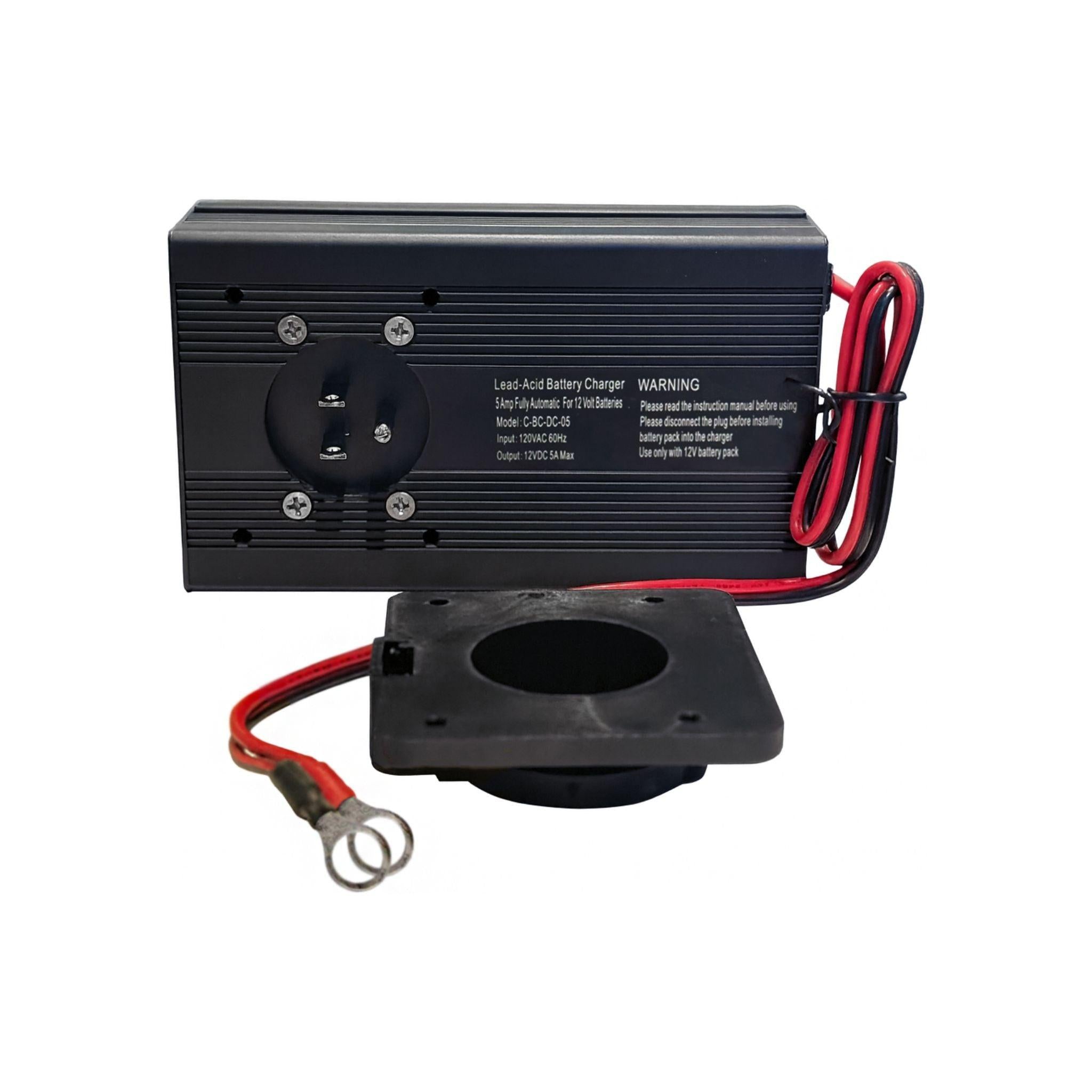 It helps keep a battery from losing charge while it is not in use by delivering a gentle, steady flow of power rather than blasting in a huge burst. The batteries come out of hibernation ready to go because many owners keep these chargers connected throughout the winter. Another category includes recreational vehicles. By using a trickle charger, you extend the battery’s lifespan and avoid the frustration of a mower that won’t start when the grass is knee-high.
Your next trip to the lake or trail won’t be marred by a dead start thanks to a trickle charger. Lead-acid or AGM batteries, which are frequently found in boats, jet skis, and off-road vehicles like utility vehicles and ATVs, drain rapidly when stored off-season. Because of these improvements, modern trickle chargers are adaptable devices that can be used in a variety of situations. Some have diagnostic tools that let you know about possible problems before they arise.
In sophisticated units, temperature compensation adds yet another level of complexity. Whether it’s summer heat or winter cold, they ensure efficient charging by adjusting output according to ambient conditions. Lead-acid batteries from cars, vans, motorcycles, boats, lawn tractors, and caravans are frequently used with trickle chargers. They are especially useful for seasonal cars that spend a lot of time parked. In every case, the key is consistency. Chargers that provide a constant, uncontrolled current.
Now let’s discuss the smart trickle charger. The star of the show is this. It monitors the battery’s voltage and switches between charging modes. Once it hits full, it drops to a maintenance or float mode, sending just enough power to counteract the normal self-discharge that every battery experiences. It shifts to a maintenance or float mode when it reaches full capacity, sending just enough power to offset the typical self-discharge that all batteries go through.
Let’s talk about the smart trickle charger. When the battery is low, it provides a robust, good charge. When the battery is low, it delivers a good, strong charge. The most frequent causes of charger failure are loose terminals or https://tricklechargerguide.com/ a malfunctioning cable.
No listing found.